

First-time homeowners
Your First Extension: A Calm, Practical Guide for Homeowners
A reassuring, step-by-step guide for homeowners extending for the very first time.
Reviewed 10 June 2026 · 6 min read
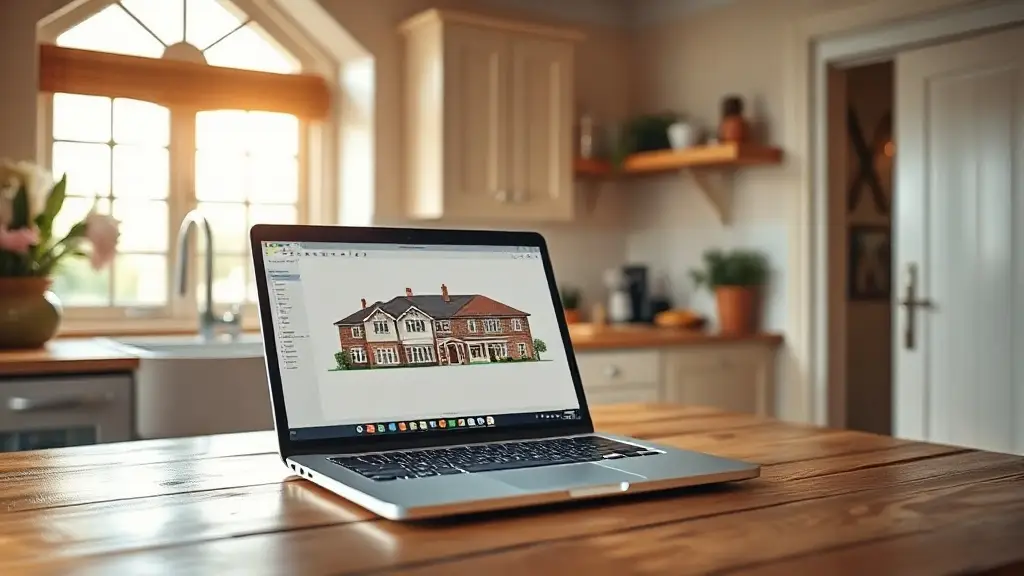
Extending your home is the biggest building project most people ever take on, and the first time is the scariest. This guide is written to take the fear out of it, in the order you actually need to know things.
The single best thing you can do is get clarity before you spend heavily: understand feasibility, planning and budget first, then commit.
Start with the question, not the drawing
Before you fall in love with a plan, answer three questions: will it get permission, will it work for how you live, and what will it realistically cost. A short feasibility review answers all three and saves months.
Budget like a realist
Build cost is only part of it. A sensible budget also includes professional fees, planning and Building Regulations costs, surveys, VAT where it applies, and a contingency for the unknowns a building always reveals.
A contingency of around ten to fifteen percent is prudent on a first project. The goal is no nasty surprises, not the lowest possible headline number.
- → Construction cost (the build itself)
- → Professional fees (architect and any consultants)
- → Statutory costs (planning, Building Regulations, surveys)
- → Contingency for the unexpected
The legal bits people forget
If you build near or on a shared boundary, the Party Wall etc. Act 1996 may require formal notice to your neighbours. Most extensions also need Building Regulations approval even when planning permission is not required.
Getting these right early keeps the project on good terms with neighbours and the council, and out of dispute.
Choosing who to work with
A chartered architect is on the ARB register, carries professional indemnity, and is bound by a code of conduct, which means you can verify the claim and you are protected if something goes wrong. An "architectural designer" may be excellent or may not, and there is nothing to check.
Frequently asked questions
- How much does a house extension cost in the UK?
- Costs vary widely by size, location, specification and ground conditions, so treat any single figure with caution. The reliable approach is a realistic budget built from your specific project plus a ten to fifteen percent contingency, rather than a number from the internet.
- What should I do first when planning an extension?
- Start with feasibility, not drawings. Confirm whether it can get permission, whether it suits how you live, and what it will realistically cost. With those three answered you can commit with confidence.
- Do I have to tell my neighbours about my extension?
- If you build on or near a shared boundary, the Party Wall etc. Act 1996 may require you to serve formal notice. Even where it does not, telling neighbours early avoids objections and disputes later.